
What to Expect During the Fire Restoration Process
Fire restoration professionals help restore your property by assessing damage, cleaning soot and smoke, and repairing structural issues to return your home to safety.
Understanding what to expect during the fire restoration process can help property owners feel more prepared and confident when facing this challenging situation. For those in the area who have recently experienced a fire, knowing the typical steps involved-such as assessment, debris removal, cleaning, and structural repairs-can provide clarity and reduce uncertainty. Local contractors specializing in fire restoration are equipped to guide property owners through each phase, ensuring that the necessary work is handled efficiently and thoroughly. Exploring this topic is especially practical for owners seeking a clear overview of what restoration entails and how professional services can help restore safety and comfort to their property.
As property owners delve into what to expect during the fire restoration process, they often discover the importance of working with experienced service providers who understand local building codes and common challenges. These professionals can assist in navigating the complexities of restoring a fire-damaged property, from initial assessment to final touches. Learning about the typical stages involved can also help owners identify the right specialists to handle their specific needs. Keep reading to gain a better understanding of the process and how local fire restoration services can support property recovery efforts effectively.
- Smoke and soot removal - when residual smoke damage needs to be cleaned from surfaces and air, local contractors use specialized techniques to restore indoor air quality.
- Structural debris removal - after a fire, debris and damaged materials must be safely cleared away, with local service providers handling the cleanup efficiently.
- Water damage mitigation - if water was used to extinguish the fire, local pros focus on drying and preventing mold growth during the restoration process.
- Odor treatment - lingering smoke odors require targeted treatments, and local experts employ various methods to neutralize smells effectively.
- Structural repairs and reconstruction - for homes and businesses needing extensive repairs, local contractors evaluate damage and restore the building’s integrity.
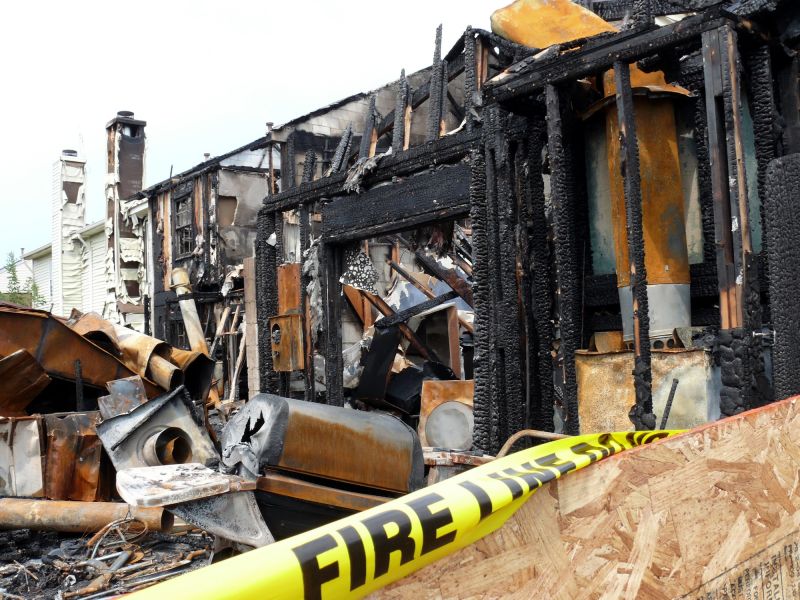
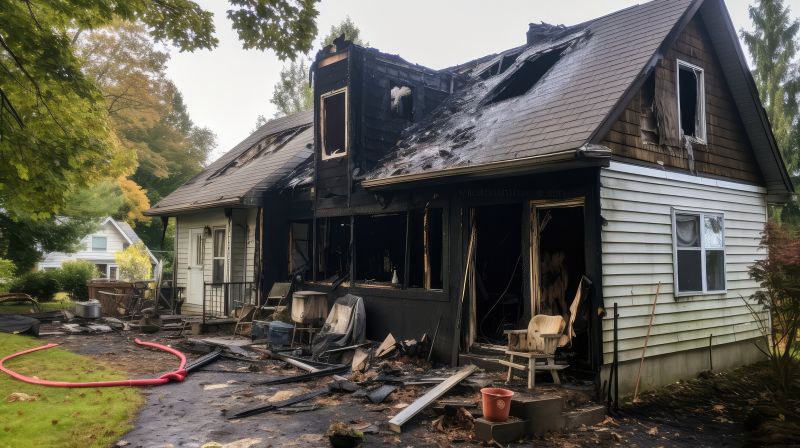
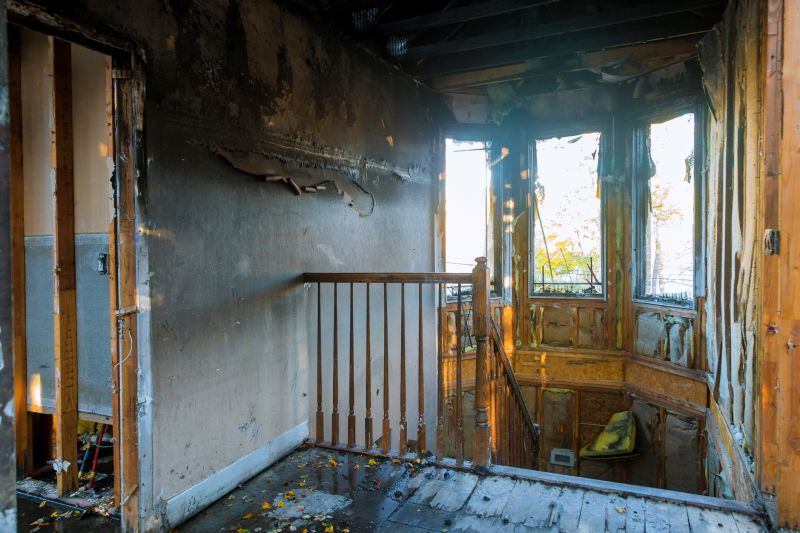
Understanding what to expect during the fire restoration process can help homeowners prepare for the steps involved after a fire incident. When searching for this topic, many people are looking for a clear overview of how the restoration unfolds, including the typical phases and what kind of work is involved. This process often begins with an assessment of the damage, where service providers evaluate the extent of fire, smoke, and water damage. Homeowners should be aware that the process may include debris removal, cleaning, repairs, and odor removal, all aimed at restoring the property to a safe and livable condition. Knowing what to expect can also help homeowners coordinate with local contractors and understand the sequence of services that will be performed.
Fire restoration is closely related to addressing a variety of problems that arise after a fire. These can include structural damage to walls, ceilings, and floors, as well as smoke and soot residue that can settle on surfaces and permeate materials. Water damage from firefighting efforts is another common concern, often requiring specialized drying and moisture control. Many plans involve a combination of cleaning, repairs, and sometimes reconstruction, especially if the fire has caused significant damage. Homeowners may also need to consider odor removal, which can involve advanced cleaning techniques or ozone treatments. Local service providers who specialize in fire restoration are equipped to handle these diverse challenges efficiently, helping to restore the property’s safety and appearance.
The types of properties that typically undergo fire restoration vary widely, but residential homes are the most common. Single-family houses, townhomes, and condominiums often face fire damage that requires professional intervention. Commercial properties, including offices, retail stores, and apartment complexes, can also be affected and need specialized restoration services. The scope of work can differ depending on the size and construction of the property, but the core steps-damage assessment, cleaning, repairs, and odor removal-remain consistent. Homeowners and property managers should understand that local contractors are experienced in working with different property types and can tailor their services to meet the specific needs of each project.
Throughout the fire restoration process, homeowners can expect a structured approach handled by experienced local service providers. After initial assessment, the focus shifts to cleaning and removing soot, smoke residues, and water damage. Repairs and reconstruction follow, often involving drywall replacement, painting, and other structural work. Odor removal is typically addressed near the end of the process to ensure the property smells fresh and clean. Throughout each phase, communication with the restoration team helps homeowners stay informed about progress and next steps. Connecting with local pros ensures that the project is managed efficiently and professionally, with a clear understanding of what to expect during each stage of the fire restoration process.
Smoke Damage Cleanup - specialists who remove soot and odors from surfaces and furnishings, sharing techniques similar to fire damage restoration planning and cleanup.
Water Damage Restoration - professionals experienced in drying and dehumidifying affected areas, often working alongside fire restoration teams to address combined damage scenarios.
Structural Repair Services - contractors skilled in assessing and restoring compromised building frameworks, which aligns with the assessment and repair phases of fire restoration.
Mold Remediation - experts who handle moisture-related issues that can arise after fire damage, requiring similar cleanup and prevention planning as fire restoration.
Contents Restoration - specialists who restore personal belongings affected by smoke, water, or fire, utilizing comparable cleaning and preservation methods.
Hazardous Material Removal - service providers trained to safely eliminate debris and hazardous residues, paralleling safety protocols in fire damage cleanup processes.
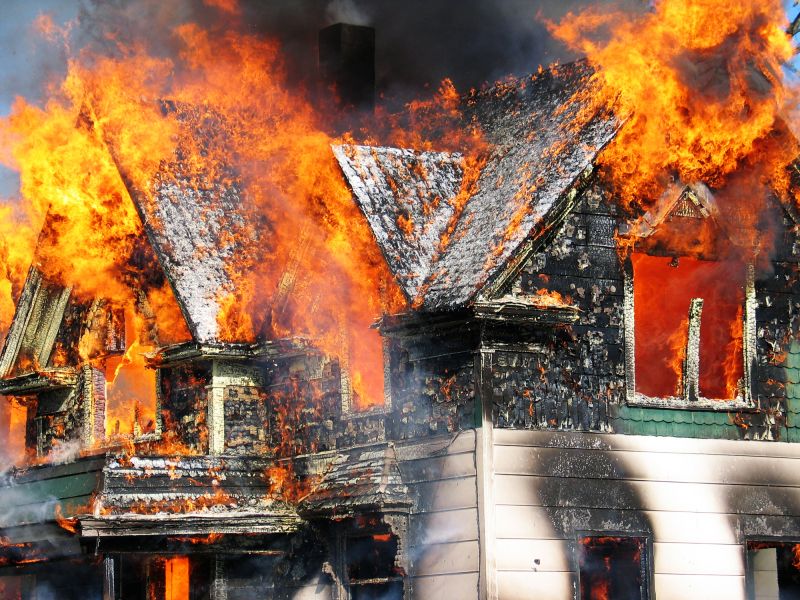
When evaluating fire restoration service providers, it is important to consider their experience with similar projects. Homeowners should look for local contractors who have a proven track record in managing fire damage restoration, as familiarity with the specific challenges involved can lead to smoother and more efficient results. Asking for references or examples of past work can help gauge their expertise and reliability, ensuring that the professional has successfully handled projects comparable in scope and complexity.
Clear, written expectations are essential when choosing a fire restoration service provider. Service providers should be able to outline the process, including the steps involved, what work is included, and any potential limitations. Having detailed documentation helps prevent misunderstandings and provides peace of mind that everyone is aligned on the scope of work. Homeowners should feel comfortable requesting this information upfront and ensuring that it covers all aspects of what to expect during the fire restoration process.
Effective communication is a key factor in selecting a dependable local contractor. Reputable service providers prioritize keeping homeowners informed throughout the project, providing updates on progress and addressing questions promptly. Good communication helps manage expectations and ensures that homeowners are aware of any developments or changes during the restoration. By choosing a contractor who demonstrates transparency and responsiveness, homeowners can feel more confident that the fire restoration process will be handled professionally and with clarity.
Property owners often search for what to expect during the fire restoration process when they are planning practical projects around their homes and businesses. Local pros provide Fire Restoration services for everyday jobs and straightforward project options.
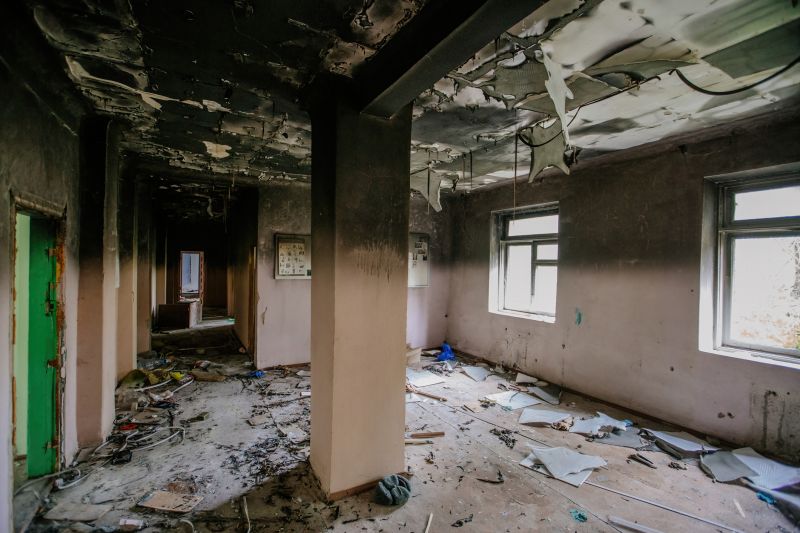
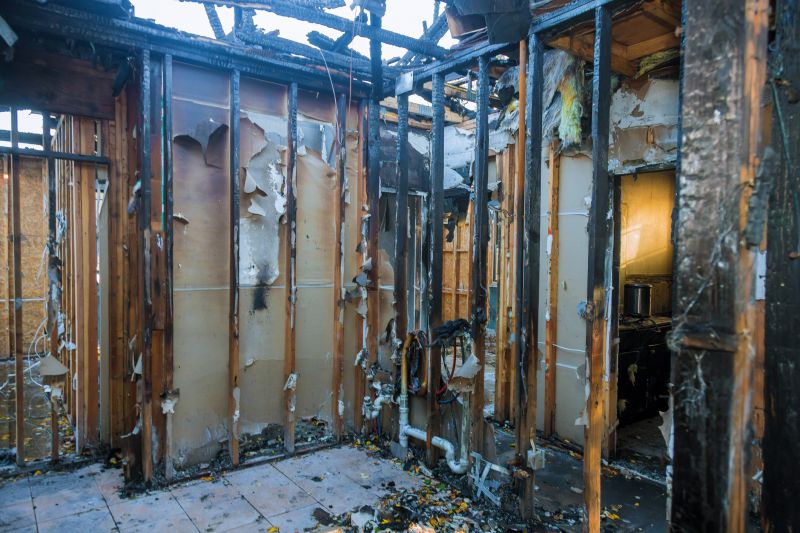
During the fire restoration process, property owners can expect a series of coordinated efforts by experienced local contractors to address the aftermath of a fire. Initially, the team will assess the extent of damage, which includes inspecting structural components, walls, and roofing to determine what can be salvaged and what needs replacement. This phase often involves removing debris, securing the property, and beginning the cleaning and deodorizing procedures to eliminate smoke odors and soot. Homeowners may notice the presence of specialized equipment used to restore air quality and prevent further damage, providing reassurance that the process is thorough and methodical.
As the restoration progresses, local service providers typically focus on repairing and rebuilding affected areas. This can include replacing damaged drywall, flooring, and fixtures, as well as addressing issues with electrical or plumbing systems impacted by the fire. Property owners might observe ongoing work such as sanding, painting, and installing new materials, all aimed at returning the property to its pre-fire condition. Understanding what to expect during the fire restoration process can help property owners feel more prepared for the steps involved and the role local contractors play in restoring safety and comfort to their homes or businesses.
What are the typical steps involved in fire restoration? Local contractors usually start with an assessment of fire damage, followed by debris removal, cleaning, odor removal, and structural repairs to restore the property to its pre-fire condition.
How do service providers handle smoke and soot cleanup? Fire restoration professionals use specialized cleaning techniques and equipment to thoroughly remove smoke residue and soot from surfaces, ensuring the property is safe and odor-free.
What should I expect during the structural repair process? After cleaning, local contractors often perform repairs to damaged walls, ceilings, and flooring, restoring the structural integrity of the property as part of the fire restoration process.
Will there be any odor left after fire restoration? Odor removal is a key part of fire restoration, with professionals using advanced deodorization methods to eliminate lingering smoke smells from the property.
How do service providers ensure the property is safe after fire damage? Local contractors assess and address any structural weaknesses, remove hazardous debris, and thoroughly clean surfaces to ensure the property is safe and ready for occupancy after fire restoration.
Initial assessment - Local contractors will evaluate the damage caused by the fire to determine the necessary restoration steps.
Content removal - Professionals will clear away debris and damaged materials to prepare the space for cleaning and repairs.
Cleaning and deodorizing - Service providers use specialized techniques to remove smoke odors and residue from affected surfaces.
Restoration and repairs - Experts will restore structural elements and rebuild areas affected by the fire to return the property to its pre-loss condition.
If you are thinking about what to expect during the fire restoration process for a property, this guide is meant to help you understand this topic, the typical project types, and how different options might fit your plans.
When you are ready, you can use the quote form on this page to share a few details about your project. From there, local pros can review the basics and follow up with options that match what you have in mind.